
Trump Tariff Refund: Can Importers Get Their Tariff Money Back?
When people search for a Trump tariff refund, they are usually asking a practical question: if a tariff was imposed, changed, suspended, or applied incorrectly, can that money be recovered? The…
Written by Spiegel & Utrera, P.A.
- Published
- April 20, 2026
- Updated
- May 8, 2026
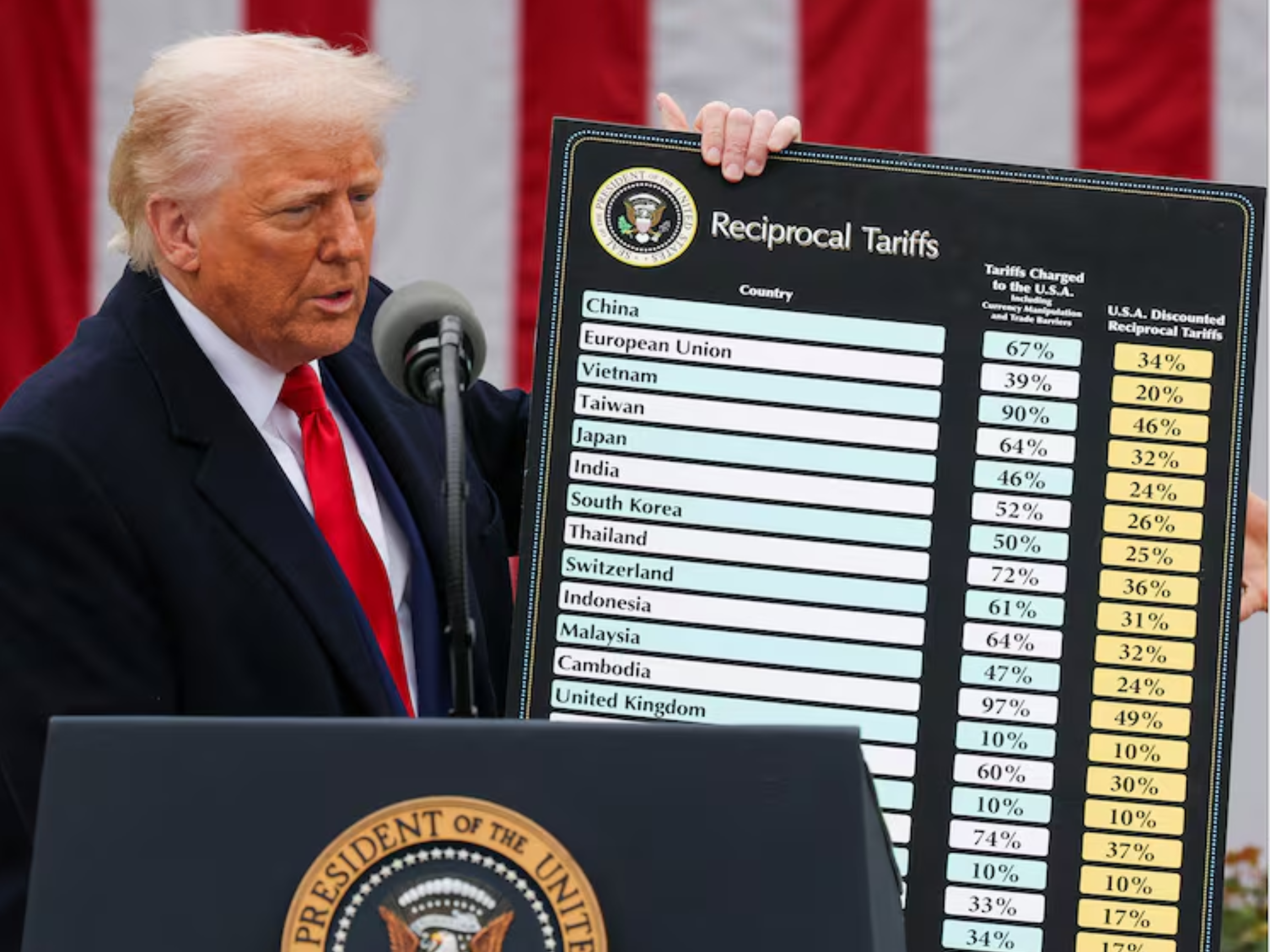
When people search for a Trump tariff refund, they are usually asking a practical question: if a tariff was imposed, changed, suspended, or applied incorrectly, can that money be recovered?
The first thing to understand is that tariffs are collected by U.S. Customs and Border Protection from the importer of record when goods enter the United States. That means there is no general consumer refund program for tariffs. Any real refund issue usually begins with the importer, the customs entry, and the legal basis for the duty that was paid.
There Is No Automatic Tariff Refund
One of the biggest misunderstandings in this area is the idea that a business automatically gets money back if a tariff becomes controversial, changes later, or is challenged politically.
That is not how the system works. Whether a business may be able to recover tariff related amounts depends on the tariff program involved, the timing of the entry, whether the entry has already liquidated, and whether there is a recognized customs process available for correction or repayment. In many cases, the issue comes down to entry specific questions such as classification, valuation, country of origin, exclusion eligibility, or another legal problem in the original duty assessment.
How Tariff Refunds May Be Pursued
In practice, tariff refunds usually come through a few established customs procedures. Before liquidation, importers may sometimes correct entry information through a Post Summary Correction. After liquidation, importers often look at a protest, which is the formal way to challenge certain CBP decisions, including duty related determinations.
Another important route is drawback, a long standing customs program that may allow certain duties, taxes, and fees to be refunded when imported merchandise is later exported or destroyed under qualifying rules. These are real refund paths, but they are technical, document heavy, and highly dependent on the facts of the entry.
Why Timing Matters
Timing is one of the most important parts of any tariff refund analysis. A business that waits too long may lose a potential path for relief even if there was a valid issue with the original duty assessment.
In general, a protest must be filed within 180 days after liquidation of the entry. For drawback, a complete claim generally must be filed within 5 years from the date of importation of the merchandise on which drawback is claimed. That is why businesses should not treat tariff refund questions as just a news story or political headline. These are customs compliance issues that depend on deadlines, records, and supporting documentation.
When a Refund May Be Possible
So, can a business recover money tied to Trump era tariffs? Sometimes yes, but only in the right circumstances.
A refund opportunity may exist if duties were overpaid, the goods were misclassified, the wrong country of origin was declared, a valid exclusion or special program applies, or drawback requirements are satisfied. But there is no universal refund simply because tariffs were imposed during the Trump administration or later changed. The analysis always depends on the specific entry and the legal mechanism available.
A Careful Review Matters
For businesses facing rising import costs, tariff questions should not be ignored or pushed aside. A careful review of entries, classifications, deadlines, and possible customs remedies may reveal opportunities that are easy to miss without proper guidance.
At Amerilawyer, we help clients approach complex business and regulatory issues with clarity and strategy. If your company is dealing with tariff related issues and wants to better understand whether a refund or challenge may be possible, contact us to discuss your options.