Nationwide Coverage

Where Will You Form Your Limited Liability Partnership?

Pick a state to compare filing costs, timelines, and ongoing requirements for your Limited Liability Partnership.

What is a Limited Liability Partnership?

Understanding Limited Liability Partnership formation and benefits

Limited Liability Partnership

Limited Liability Partnership

A Limited Liability Partnership allows professionals to form a partnership where each partner has limited liability protection. Popular among law firms, accounting firms, and other professional services.

Key Benefits of an LLP

  • Limited liability protection for partners
  • Pass-through taxation benefits
  • Professional credibility and structure
  • Flexible profit and loss sharing
  • Simplified management compared to corporations

Ready to Launch Your Limited Liability Partnership?

Start My Business Now
Entity Advantages

Why Choose Our Limited Liability Partnership Formation

Business Standing

LLPs provide a recognized structure appealing to clients and investors.

Management Flexibility

LLPs allow partners to directly manage without rigid corporate structure.

Partner Protection

Partners are shielded from personal liability for partnership debts.
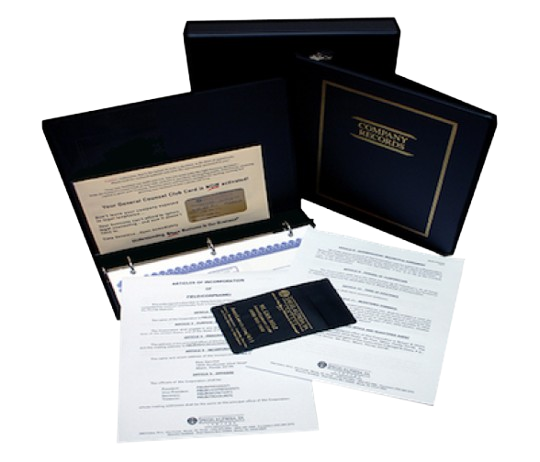
Corporate Book
Included

What's Included on our Service Fee?

  • State Filing Fee
  • Corporate or Company Seal
  • Records Book
  • Certificate or Articles of Incorporation or Organization
  • Company and Corporate Minutes
  • Corporation Bylaws or LLC Regulations
  • Corporate Stock or LLC Membership Certificate(s)
  • Banking Resolution
  • Preliminary Name Search
FAQ

Limited Liability Partnership Formation FAQ

A Limited Liability Partnership is a partnership structure that extends personal liability protection to all partners. Unlike a General Partnership where every partner is fully exposed, an LLP shields each partner from personal liability for the negligence, misconduct, or debts caused by their fellow partners. Each partner remains responsible for their own conduct.

Licensed professionals who want to operate as partners without carrying each other's liability. Law firms, accounting firms, medical groups, and architecture practices are among the most common users. In many states, LLPs are specifically reserved for professional service businesses, making it the standard structure for multi-partner professional practices.

Both structures offer liability protection and pass-through taxation. The primary difference is governance. An LLP uses a partnership framework, which gives each partner direct management authority as a default. An LLC uses a member or manager structure with more flexibility in how control is allocated. For established professional practices with equal partners, the LLP framework often fits the management dynamic better.

It protects you from liability arising out of your partners' actions. If your partner makes a negligent decision that results in a lawsuit, your personal assets are shielded from that claim. You remain fully responsible for your own professional conduct and any obligations you personally create. Malpractice insurance covers what the structure does not.

According to the partnership agreement. Partners can divide profits equally, by contribution, by seniority, or by any formula the partners agree on. Without a partnership agreement, your state's default rules govern the split. The agreement is the document that makes the arrangement enforceable.

The same as any partnership. Income passes through to the partners and is reported on their personal returns. The LLP itself does not pay federal income tax. Each partner pays tax on their allocated share, and your CPA will advise on how to structure distributions most efficiently.

Most LLPs are formed within 5 to 7 business days. Some states require proof of professional licensure as part of the filing, which can affect the timeline. Your attorney will give you a precise estimate based on your profession and state before anything is filed.

Yes. We handle LLP formations across all states that permit them. If your firm operates across state lines, your attorney will advise on where to form and where foreign registration is required.

Yes. We offer a complimentary 15-minute call before any engagement begins. If you are deciding between an LLP and a PLLC or LLC for your professional practice, that call will give you a direct answer based on your profession, your state, and the number of partners involved.

An LLP for a professional practice needs a partnership agreement that addresses compensation structure, partner admission, buyout terms, and retirement provisions. A generic filing produces a legally formed entity with no agreement to govern it. We draft both so the firm is built to last.
Blog

Latest Limited Liability Partnership Insights & Updates