Nationwide Coverage

Where Will You Form Your Non Profit Corporation?

Pick a state to compare filing costs, timelines, and ongoing requirements for your Non Profit Corporation.

What is a Non Profit Corporation?

Understanding Non Profit Corporation formation and benefits

Nonprofit Corporation

Nonprofit Corporation

A nonprofit corporation is organized for charitable, religious, educational, or other exempt purposes. It receives tax-exempt status and can accept tax-deductible donations. Ideal for organizations serving public benefit missions without distributing profits to owners.

Key Benefits of a Nonprofit

  • Tax-exempt status for qualifying activities
  • Ability to receive tax-deductible donations
  • Limited liability protection for directors and officers
  • Perpetual existence for mission-driven organizations
  • Public benefit focus and credibility

Ready to Launch Your Non Profit Corporation?

Start My Business Now
Entity Advantages

Why Choose Our Non Profit Corporation Formation

Funding Opportunities

Nonprofits can receive tax-deductible donations and compete for grants.

Public Purpose

Formed to serve educational, religious, charitable

Tax-Exempt Status

Nonprofit corporations may qualify for federal and state tax exemptions.
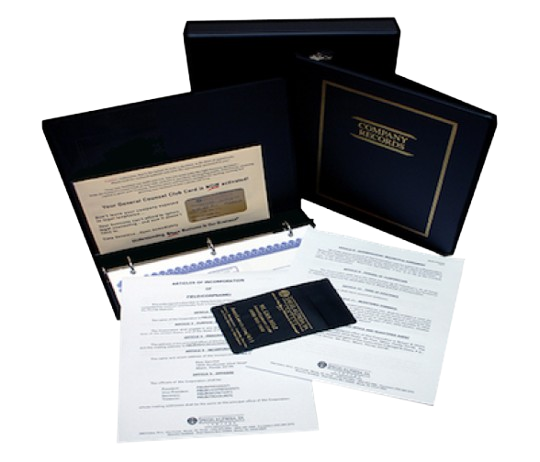
Corporate Book
Included

What's Included on our Service Fee?

  • State Filing Fee
  • Corporate or Company Seal
  • Records Book
  • Certificate or Articles of Incorporation or Organization
  • Company and Corporate Minutes
  • Corporation Bylaws or LLC Regulations
  • Corporate Stock or LLC Membership Certificate(s)
  • Banking Resolution
  • Preliminary Name Search
FAQ

Non Profit Corporation Formation FAQ

A Non-Profit Corporation is a state-incorporated legal entity formed to serve a charitable, educational, religious, scientific, or community purpose rather than to generate profit for owners. It operates with the same legal structure as a for-profit corporation — a board of directors, bylaws, formal governance — but its revenue is reinvested into the mission rather than distributed to shareholders.

Anyone building an organization around a mission rather than a profit motive. Community organizations, educational programs, religious institutions, advocacy groups, and social service providers are among the most common.

Yes. Forming a Non-Profit Corporation at the state level and obtaining federal tax-exempt status are two separate processes. Incorporation establishes the legal entity. Tax exemption requires a separate application to the IRS, most commonly for 501(c)(3) or another qualifying status under 501(a).

Yes. Directors, officers, and members are shielded from personal liability for the organization's debts and legal obligations, provided the corporation is properly maintained.

Yes. Non-profit does not mean no compensation. Employees and executives can receive reasonable salaries. What is prohibited is distributing profits to private individuals for personal gain.

Articles of incorporation, bylaws, initial board resolutions, and typically a conflict of interest policy required by the IRS.

State incorporation is typically completed within 5 to 7 business days. IRS tax exemption follows a separate timeline depending on complexity.

Yes. We handle Non-Profit Corporation formations nationwide and advise on multi-state operations when needed.

Yes. We offer a complimentary 15-minute call before any engagement begins.

The IRS scrutinizes formation documents, governance, and purpose when reviewing tax exemption applications. We build the structure to pass that review correctly the first time.
Blog

Latest Non Profit Corporation Insights & Updates